Dan B Artist

Sennelier Watercolour Review - Are They Worth It?

Honey Based Paints

Kicking off another paint review, this time we are looking at French brand Sennelier.

These paints are famed for their honey content and ability to glaze. 

These paints divide many, some love the honey base that allows them to rewet almost instantly, some really don’t like it.

Let's Put Them To The Test

I put these paints to the test to see if they deliver high quality or if they just become a sticky mess.

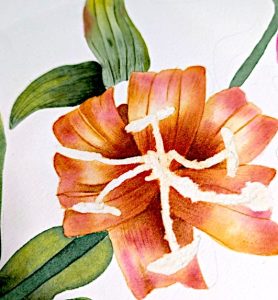
These paints are loved by botanical artists, and seeing as I am a botanical artist these paints called for a botanical painting.

Before starting I did a colour chart of all of the colours that I own. This gives me a snapshot of what shades I’m working with but also have the paint looks on paper.

Initial looks these paints looked great. Bright, saturated and easy to rewet.

The first layers of the painting went really well. Colours mixed together well and the mixes were bright and punchy.

Oh these paints love to glaze. Honey based paints work best when thinned down and layered in thin washes and oh boy, do these paints shine. I would go as far to say these are the best paints I have ever glazed with.

Honey I Shrunk the paints.....

Did I mention these paints have a lot of honey in them?

The honey content in these paints can be a huge downfall. While I love it, it can cause issues.

Having honey in this paint means it is not suitable for those who lead a vegan lifestyle.

Those in hotter, humid climates also do not have a great time with these paints. I’ve heard many horror stories from artist based in Australia who have used Sennelier paints to find sticky, soupy messes in their paint palettes along with some insect friends, yikes!

Sennelier’s paint pans do a little better as they extruded pans.

Depending on where you live, you may not find these paints suitable for you.

Are they worth it?

I’m keeping this review short and sweet. 

Sennelier paints are high quality with a large colour range to choose from. 

Their super loaded honey based formula may please you or it might not.

I really enjoy using these paints but I also appreciate that not everyone will get on with the honey binder.

I’ve included below the video review of these paints in case you wanted a more in depth look.

Sennelier Watercolour Review Read More »

Uncategorized

Sennelier Watercolour Review

New Year: Palette Refresh, My Plan

Happy New Year Folks! Let’s start 2026 fresh, palette fresh.

In case you missed the news last year, I’m on a mission. A mission to replace all the commercial paints in my studio palette with my handmade versions.


I thought it would be good to have a check-in while I clean up my palette.

Unique wedding gift ideas: custom artwork

Clean Up Crew To Isle 5!

First, let’s clean up the palette.

Don’t get me wrong, it’s nice to use what you have and reuse paint mixes. But when starting a new project or, in this case, a new year, I like to have a little tidy up.

I use a big brush to rewet all of my dried paint mixes. Get them nice and wet, we need to lift all of that paint. Then I go in with a kitchen towel and soak up the mixes.

Time to continue the NYE party with alcohol! No, not to drink 😂. I use Isopropyl alcohol and a cotton bud to remove any staining colours. Nothing will get rid of all stains but the alcohol makes a good effort.

I also like to use a cotton bud to tidy up the edges of the palette and the paint wells. Go carefully here. Don’t make the cotton bud too wet and don’t fuss too much. Sometimes overdoing it will just make more mess.

Time to Pour!

Now that our palette is nice and clean, we can restock it with the juicy paint.

You can use tube paints you got for Christmas, but I will be using my handmade paints.

Part of why I believe my paints are so good is that I made them for me. Not many handmade brands out there can say they are made for artists the way I can.

I make paints I want to use. In the past I’ve opted for commercial paints for convenience, but no more.


While I haven’t made every colour on my palette just yet, I’ve made a lot. Why use a commercial brand when mine do a much better job?

Handmade Watercolours - Being Mulled

Squeeze!

Go gentle and squeeze your paint tubes from the end to deposit the paint into your pans or wells. I personally use a palette with wells, they are bigger and easier to fill.

Go slow. You don’t want a big mess by exploding paint everywhere. No one likes to clean twice.

Don’t overfill your pan or well. I find it best to leave some room, it makes it easier when going in with your brush.

Use a cocktail stick to coax the paint into each corner and make it nice and level. The wells on my palette are naturally slanted which makes it easier to use. If you are using traditional pans, put them on a tilt to create a slant. This is also why it’s important not to overfill.


Patience is key here. Give your freshly filled pans time to dry properly before using them. If you’re impatient like me, you’ll dip your brush in too soon and end up with a paint soup mess. Let them set for a few hours or overnight and you’ll be rewarded with a smooth, ready-to-go palette.

Choices, Choices, Choices!

We’ve talked about cleaning and filling but the big question is “Which Colours Do I Choose?”

This is really hard to answer because everyone is individual. Most palette choices from commercial brands are fairly generic and designed to paint a range of subjects. Personally I like this, but if you specialise like me, you might prefer a more focused palette.

First off, ditch the white and black. White in my opinion is pointless in a watercolour palette. Black, unless you plan on doing a lot of black and white monochrome paintings, is also a little redundant.

Choose what is practical but also what sparks joy. Maybe you have a favourite colour that has to be in every painting, maybe you’re less fussy. I find I enjoy painting more if I actually like my colours.

What do you paint? If you paint portraits, having a rainbow might not be super helpful. Pick colours that fit what you like to paint. I paint a lot of botanicals so a rainbow is perfect for me. If you paint faces, you’ll want colours that make a range of skin tones, maybe even a premixed flesh tint. As we are all individual in what we like to paint, our choices will also be individual.


Still stuck? If you don’t have a niche or want some inspiration, I’ve put together a playlist of videos that will help you choose which colours to have in your palette. These are generic palettes aimed at covering a variety of subjects. If you’re unsure, it’s a good place to start.

Some Homework!

Tell me, tell me, tell me!

What colours are a must-have in your palette? Are there any that make others go “huh?!”

Do you have colours that you love but others cannot stand?

Any rare pigments that are your precious and used only when painting for the Queen?

New Year: Palette Refresh! Read More »

Uncategorized

New Year: Palette Refresh!

🍂 Introducing My Autumn-Inspired Handmade Watercolour Palette

Discover the Autumn Palette: a set of 6 handmade watercolours in half pans. Artist quality paints in warm, seasonal tones – a unique watercolour palette set and perfect gift for artists.

🍂 Introducing My Autumn-Inspired Handmade Watercolour Palette

As the leaves start turning and the days grow shorter, I’ve been inspired to create a watercolour palette that captures the warm, rich, and moody colours of autumn. This isn’t just any palette, it’s a limited batch of handmade watercolours, crafted with care and designed to bring the essence of nature straight into your artwork.

I’m excited to share a sneak peek of the set, which will officially go on sale on October 3rd.

artist quality paints in a tin
Handmade watercolours - Autumn Palette

The Inspiration Behind the Autumn Palette

Autumn is my favourite season for colour. From golden yellows to burnt oranges, deep reds, and mossy greens, there’s a richness in nature that feels both cosy and dramatic. This palette is my attempt to translate that feeling into paint. You can bring the beauty of fall into your botanical art, illustrations, or creative projects.

Each colour was carefully chosen to reflect elements of the season: the fading sunlight, crisp fallen leaves, and subtle woodland tones. Whether you’re painting a bold autumnal flower or a delicate landscape, these colours are versatile and expressive.

Crafting the Palette: Handmade With Care

I love the tactile side of painting, so I wanted this palette to be as hands-on as possible. Every pigment was ground, mixed, and mulled by hand in small batches. The process is meditative for me, and it ensures that each pan is consistent in texture, vibrancy, and flow.

The set comes in a sleek tin, perfect for keeping your paints safe and ready to travel with you. I’ve added a stunning holographic sticker on the front so it will also look great sat on your desk. I’ve also included a blank colour chart for you to swatch out your colours. I’ve included the pigment information too so that it is easier to get to know your colours.

Handmade Watercolours - Being Mulled

Creating With the Palette

The most exciting part is seeing how these colours come alive on paper. I’ve been experimenting with everything from loose botanical sketches to more detailed illustrations, and the autumn palette really shines in capturing nature’s warmth.

Using handmade watercolours gives a depth and richness to your work that’s hard to replicate with commercial paints. They’re artist quality, and I’ve tuned them specifically to work beautifully on a range of papers.

Why This Palette Is Special

  • Limited Edition: Only a small batch will be available, so each set is unique.

  • Nature-Inspired: Colours reflect the season and can be used in all kinds of botanical or landscape art.

  • Handmade: Every pan is made with care, offering superior texture and pigment intensity.


  • Perfect for Artists & Collectors: Whether you’re looking to expand your palette or gift someone a unique set, this is designed to delight.

On Sale October 3rd

The autumn palette officially goes live on October 3rd, and I can’t wait to see what you create with it. I’ll be sharing more tips, swatches, and artworks on my social media in the lead-up to the release, so follow along if you want to see it in action.

If you love handmade watercolours, enjoy painting botanical art, or simply want a palette inspired by the warm beauty of autumn and nature, this set is for you.

🌸 Connect With Me

If you’re curious about botanical art, want to see what I’m working on, or are interested in my handmade watercolours, you can find me here:

Let’s keep the botanical conversation blooming.

🍂 Introducing My Autumn-Inspired Handmade Watercolour Palette Read More »

Uncategorized

🍂 Introducing My Autumn-Inspired Handmade Watercolour Palette

Why Are Handmade Watercolours So Expensive?

One of the most common questions people ask when they first discover handmade paints is: “Why are handmade watercolours so expensive compared to the ones in art shops?” It’s a fair question especially when a mass-produced set can cost the same as just a couple of artisan pans or tubes. But the answer lies in what goes into them and why they’re valued so highly by artists.

How to make Handmade Watercolours
Artist Quality Watercolour Paints in action on the slab.

Premium and Rare Pigments

Handmade watercolours start with the best ingredients, and sometimes that means pigments you won’t easily find in mass-market paints. Artisan makers often use rare or historically significant pigments like Manganese Blue Genuine, Lapis Lazuli, Quinacridone Gold, Indian Yellow, or YnMn Blue. These pigments are expensive or only available in limited quantities which adds to the cost.

Their unique hues, transparency, and vibrancy can’t be replicated cheaply they give your paintings depth and character that standard paints just can’t achieve. When you choose handmade paints you’re not only getting high-quality craftsmanship but also access to colours that are truly special.

handmade manganese blue watercolour

Time-Intensive Craft

Making handmade and high quality paints takes time. Even before the actual process takes place. Decisions have to be made such as which colour to make and a time frame need to be kept in mind. 

Unlike commercial paints that roll off a production line, handmade paints are created in small batches. Each pigment is carefully mulled by hand until it reaches the perfect consistency. This process is labour intensive and requires physical stamina and that’s before testing, adjusting, and packaging. It’s slow, deliberate work and that labour is part of what you’re investing in.

Skill and Knowledge

Every pigment behaves differently. Some are gritty, some smooth, some staining, some granulating. A handmade paint maker learns how to coax out the best qualities of each pigment balancing the recipe so it re-wets beautifully and flows with control. That skill and knowledge is something mass production can’t replicate it’s what makes the difference between a paint that frustrates you and one that feels like it paints itself.

From experience I can tell you that some colours are just a pain in the butt and don’t want to behave and take a lot more effort to mull than some others. The behaviour of each pigment has to be learnt through mulling, it’s a bit like cooking, there is only so much you can learn from a book.

Handmade Watercolour Paint - Phthalo Blue

Quality Over Quantity

Handmade watercolours often have a higher pigment load meaning less binder and more colour. That’s why the colours feel so vibrant, why they layer well and why they last. They’re designed for artists who value quality over sheer volume. Instead of filling a drawer with dozens of mediocre paints you’re choosing a palette of fewer but far more powerful colour

Supporting Artists

When you buy handmade paints you’re not just buying materials you’re supporting an artist’s craft, passion and livelihood. Every tube or pan has a story and often a personal connection to the maker. For many artists that human element is just as important as the paint itself.

Final Thoughts

So yes, handmade watercolours can be more expensive. But they’re not just about cost they’re about value. You’re investing in colour that inspires, supports your art practice, and connects you to a tradition of craftsmanship.

If you’ve never tried handmade paints before I encourage you to experiment with even one or two colours. Personally, I create limited-batch handmade watercolours at DB Paints, each carefully mixed and tested for quality, vibrancy, and ease of use. You can explore my range here and see how a few artisan colours can transform your palette.

🌸 Connect With Me

If you’re curious about botanical art, want to see what I’m working on, or are interested in my handmade watercolours, you can find me here:

Let’s keep the botanical conversation blooming.

Why Are Handmade Watercolours So Expensive?​ Read More »

Uncategorized

Why Are Handmade Watercolours So Expensive?​

QoR Watercolours Review

🌸 The Allure of Lilies: Why I Keep Coming Back to This Flower in My Botanical Art

There’s something about lilies that keeps drawing me back to them. Whenever I sit down to paint, whether it’s experimenting with handmade watercolours or planning a new piece for my collection, I find myself reaching for these blooms. They’ve become a kind of signature for me in my botanical art. They’re bold, elegant, and endlessly inspiring.

Botanical watercolour painting of a vibrant blue lily flower

The Beauty and Symbolism of Lilies

Lilies have a timeless quality that speaks to so many people. Across cultures they’ve symbolised purity, passion, renewal, and even remembrance. For me, they balance delicacy with drama in a way that perfectly fits my painting style. Their vibrant colours, sweeping petals, and striking details mean they never fade into the background. They are a statement piece that demands attention.

It’s no surprise that botanical art lovers and plant lovers alike are captivated by them. They’re instantly recognisable, yet every variety tells a different story.

Watercolour painting of a red lily in botanical art style

The Artistic Challenge (and Reward)

Part of the reason I keep painting lilies is that they’re never too easy. Their shapes twist and curl in unexpected ways, their petals catch the light differently depending on the angle, and the textures are layered and rich. That challenge makes them deeply rewarding to paint.


I often work from a mix of reference photos or create composites to capture a unique perspective. No two pieces end up the same. This makes every lily painting feel fresh. It’s one of the reasons I think they’ve become such a core part of my watercolour paintings.

I find them fun to paint. Their large petals come in almost every colour you can think of making it easy to chose the mood I’m going for. 

Oh, and the drama! These are such dramatic flowers and that drama is exciting and simple to capture through my work. 

These flowers were made to be painted.

Pink lilies painted using watercolour paint. botanical art. botanical watercolour

Lilies in My Collection

Over time, I’ve painted lilies in different moods and styles some more dramatic and saturated, others softer and lighter. They’ve made their way into exhibitions, postcards, and art prints. Looking back, each painting feels like a chapter in my journey as an artist.

One of my favourites was a bold orange lily that almost glowed off the paper. This particular specimen I found at a botanical garden in Perth Scotland.

My favourite has to be the Red Lilies I have painted. To me this painting is perfect, I love it so much that it hangs in my living room.

Perhaps my most memorable for fans is my Blue Lily. This is my first large painting done on 1/2 imperial paper. It’s huge and makes a bold statement.

QoR Watercolours Review
blue-lilies-a4-watercolour-fine-art-print
My Favourite Colours for Painting Lilies

Lilies come in such a wide spectrum of colour, and I love exploring that range in my work. From deep reds and purples to glowing yellows and soft whites, there’s always a new way to push my palette. Often, I’ll reach for my handmade watercolours not just because they’re artist quality, but because I enjoy experimenting with pigments that bring out the richness of each bloom.

If you’re curious about the paints I make, you can explore more on my website. They’re designed for professional artists but loved by hobbyists too, and often inspired by the very flowers I paint.

Why Lilies Will Always Inspire Me

At the end of the day, lilies just feel timeless to me. They’re flowers I’ll never get tired of painting, and they continue to inspire new directions in my botanical art. Whether you’re a fellow plant lover, a fan of watercolour paintings, or someone looking to buy botanical art for your home, I hope you can see the same beauty in them that I do.


Which flowers inspire you the most? I’d love to know, feel free to share in the comments.

🌸 Connect With Me

If you’re curious about botanical art, want to see what I’m working on, or are interested in my handmade watercolours, you can find me here:

Let’s keep the botanical conversation blooming.

🌸 The Allure of Lilies: Why I Keep Coming Back to This Flower in My Botanical Art​ Read More »

Uncategorized

🌸 The Allure of Lilies: Why I Keep Coming Back to This Flower in My Botanical Art​

Botanical Art for Plant Lovers – Why I Paint Plants

It all started with a sketch. A simple doodle of moody leaves and berries using handmade watercolours from Eventually Everything Mixes. I had never heard of botanical art before. I wasn’t painting with any intention. I was just playing around, testing the paints and something just clicked. That little sketch unlocked a new world of joy, colour, and creativity for me. That’s how I fell into botanical art.

And I’ve been hooked ever since.

If you love plants, colour, or just staring at your houseplants like they’re art (same), then botanical art might be more your thing than you think. Whether you’re a plant parent, a botanical maximalist, or just someone who loves a dramatic leaf, let me take you behind the scenes of my work and share what botanical painting has brought to my creative life.

Detailed watercolour illustration of a purple hellebore flower

🌿 What Botanical Art Means to Me

First and foremost, botanical art is fun. That’s something I feel doesn’t get said enough. You get to play with bold & saturated colours. You can paint simple shapes or get lost in detailed textures. There are endless subjects to choose from, delicate flowers to weird houseplants to those giant leafy monsters that take over half of your living room.

Additionally, botanicals have a kind of quiet elegance. A painting of a plant feels at home in almost any space. It’s universal. Everyone has some connection to nature. Whether they live in a countryside cottage or a studio flat surrounded by IKEA pots and propagations.

Watercolour botanical art of a pink columbine flower
Watercolour botanical painting of a blue pansy with soft shading

🎨 My Medium of Choice (And Why It Was Never a Choice)

I’m a watercolour artist first the botanical part came later. When I started painting plants using watercolour just felt like an obvious and natural choice. It’s a medium that’s perfect for delicate layers and subtle transitions. It is also powerful and useful when you want to crank up the colour.

Mostly I use my own studio palette which I have built up over the years . I also use my own handmade paints too (I’m slowly trying to replace every colour with a handmade one!). Whenever I review a paint brand on my YouTube channel I use only that brand to stay fair, but otherwise, it’s a curated mix of favourites for several brands.

Brands that are current favourites are :

Sennelier
Rembrand
Old Holland
Schmincke

🌸 Lilies, Soggy Linda, and the Plants I Paint

I’ve painted a lot of lilies. I’m not even sure why, maybe because they’re easy shapes or maybe it’s because they come in so many colours. They just keep appearing in my work. One of my proudest paintings is of some red lilies; it was a rare moment where the process felt easy and I still wouldn’t change a thing about it.

Another favourite? Bird of paradise plants. I loved painting them so much that I ended up buying one. A rather stubborn, un-blooming diva now known as Soggy Linda . She may not flower but she looks good in the corner of my living room and she brings a lot of joy and hopefully a future painting subject.

Watercolour painting of a red lily in botanical art style

📷 How I Build a Painting (Hint: It’s Not From Life)

A lot of people assume botanical artists paint from live specimens but I usually don’t. My paintings often take a month or two and most real plants don’t last that long! To get around this issue I mostly work from reference photos. I try to take my own ones where I can but sometimes I piece together multiple images to form something new. I’m also careful to avoid copyright issues by never copying any single source too closely. I treat other artists’ work as inspiration only and always respect their creativity.

Work in progress of a botanical painting showing initial watercolour washes

🧠 The Challenges: Reference Images & Dry Brushing Nightmares

The hardest part of finding what I’d like to paint? Finding the right photo. Sometimes you just can’t find a good angle or reference that captures what you’re picturing in your head. Other times I’ll stumble across something I have to paint and then spend ages sourcing the angles or features that I need.

Technique-wise, dry brushing was my personal nightmare. It’s how you get the veins, textures, and tiny hairs on leaves & petals, and it took a lot of practice (and a sable brush!) before I got the hang of it. My first attempt was during a Billy Showell tutorial and… it did not go well.

📚 Self-Taught, With a Side of YouTube

I’m a mostly self-taught artist though I’ve followed a few YouTube tutorials and took Billy Showell’s online classes for a year. I’d love to do the Society of Botanical Artists diploma one day but it’s pricey and I’m not sure if the return would be worth it, other than the extra practice.

I’ve shared a few tutorials on my own YouTube channel too. Some viewers have asked for longer ones and that’s something I’d love to do more of. In-person teaching? Maybe someday

Botanical watercolour painting of a vibrant blue lily flower

🧪 It’s Not Just Pretty. It’s Practical Too

Botanical art isn’t just about making pretty pictures. It can also serve as a form of scientific recording. I recently read about botanical artist Lee Angold who documented rare aloe species growing on an island in Lake Superior. Those kinds of paintings help preserve knowledge about plants that only exist in one place or are under threat.

Even when it’s not scientific, botanical art changes how you see the world. I’ve learned to slow down. I notice details more. And I’ve taken countless reference photos at botanical gardens around the UK partly for painting and partly because I’m now obsessed with unusual, rare, and endangered plants. One day, when I have a garden of my own. I’d love to grow them.

💚 The Truth About Botanical Art (That No One Tells You)

Here’s what I wish more people knew:
Botanical art isn’t only for retirees. It’s not fussy, boring, or outdated.

It can be bold. Saturated. Dramatic. You can take artistic licence with colours, angles, and lighting. You can bring your own style and your own joy to it.

Yes, there’s a place for the highly technical, scientific kind. But there’s also room for art that’s just about the beauty of nature in all of its messy imperfection.

🌱 Tips for Aspiring Botanical Artists (or Plant-Loving Painters)

Feeling inspired? If you would like to get into painting your favourite plants, here are my tips!

  • Pick subjects that call to you. If you love monsteras, paint a monstera.

  • Start small. Don’t jump into a full composition, try one leaf or petal first.

  • Relax. Wonky leaves happen. No one’s checking your proportions!

  • Use masking fluid to preserve highlights, and work in light layers if you’re nervous.

  • Experiment with drama. Don’t be afraid of deep shadows or intense colour.

  • Practice core techniques: wet into wet, dry brushing, lifting, etc. (I have a blog post on this if you want to know how: Click Here

  • Sketchbook study pages are a great way to play without pressure.

Handmade watercolour painting of a red rose in botanical art style

✨ Final Thoughts

Botanical art has taught me patience, given me joy, and connected me to plants in a new way, even if I don’t have a garden (yet). It’s a subject that brings together delicacy and drama, structure and freedom.

And most of all, it’s something I do because I love it.

If you’re a plant lover, a house plant girlie, or just someone looking to make more colourful art, I say give it a go. Pick a leaf. Pick a petal. Get your paints out and start somewhere small.


You might be surprised where it takes you.

🌸 Connect With Me

If you’re curious about botanical art, want to see what I’m working on, or are interested in my handmade watercolours, you can find me here:

Let’s keep the botanical conversation blooming.

Botanical Art for Plant Lovers – Why I Paint Plants Read More »

Uncategorized

Botanical Art for Plant Lovers – Why I Paint Plants

Vinyl sticker sheet featuring pride designs
Celebrate pride with this Rainbow Monstera Leaf Sticker printed on high quality vinyl. Easy-peel & die cut. Original design was painted using gouache.

New Merch!

I’ve added some new merch to my webstore including some pride themed merch.

I wanted to add my own spin on Pride and make some plant themed goodies.

I’m really proud of my resin pin badges that I have made. I think I’m getting the hang of making them.

These badges are great for adding wearing to a pride event or for adding to your pin collection.

From Gouache Illustrations to Stickers

Resin pin badge with a rainbow monstera pride design. Based off of a gouache painting.

All of these goodies started life as Gouache Illustrations. Gouache is a great paint medium that I have been exploring more lately. It’s a thick, creamy and opaque paint which is ideal for creating artwork that will be scanned in. 

It really helped make my designs pop with colour.

You can also nab a range of stickers as well from single die-cut easy peel stickers to Pride Themed Sticker sheets for a wider choice of diversity.

Vinyl sticker sheet featuring pride designs
Pride Rainbow Monstera Leaf Vinyl Sticker

Celebrating Pride

I understand that Pride themed art isn’t my usual style especially compared to my normal detailed artwork, however – I wanted to create something more meaningful. 

People all over the world today are being discriminated against for being who they are, not just their sexuality. Professionally I try to stay as non political as possible as sometimes people just want to escape the crazy world we live in. Sadly it’s getting to the stage in many countries (UK included) that more and more hatred and discrimination is seeping into our daily lives making it harder and harder to separate daily life and politics.

I feel it’s important to use my voice where I can to raise awareness for issues that are happening in front of us. Also these designs are great fun even if you don’t celebrate pride events.  

Other Designs

I’ve also added some other non pride designs to my webshop too including some stickers and magnets that I have teased previously.

These can be a great option for those wanting to personalise their spaces.

Poppy Watercolour Magnet

Happy Pride Month – Celebrate with Pride Merch Read More »

Uncategorized

Happy Pride Month – Celebrate with Pride Merch

Handmade Paints - Why I Chose to Step Back

Handmade paints have always been a labour of love for me. Each small batch represented hours of careful preparation, testing, and refining to create colours that are unique, vibrant, and a joy to work with. As much as I enjoy making paint and seeing how much my customers enjoy them, over time, I realised I was dedicating so much time & energy into making paints that I had little left for my own art – the very passion that inspired me to create handmade paints in the first place.

A selection of handmade watercolour paints. Handmade watercolours uk. Are Handmade Watercolours Worth It?

Balancing Paintmaking with My Artistic Journey

Creating handmade paints is a deeply rewarding process, but it’s also incredibly time-consuming. From sourcing pigments to perfecting formulations, the demands of paintmaking began to overshadow my ability to focus on painting. 

Paint quality is important to me, I like to use my own paints and if they aren’t good enough for me to use – they aren’t good enough for you.

Over time, I found myself yearning to paint. I often found myself watching videos from other artist’s while mulling my paint. While I loved making new colours, a part of me felt sad that I wasn’t painting.

Watch how I make my paints – it’s a work out!

Why I Chose to Step Back

While I haven’t stopped making handmade paints entirely, I decided to take a step back to prioritise my art. This shift allows me to explore new artistic ideas, develop my painting techniques, and create more meaningful connections through my work. By doing so, I hope to inspire others and stay true to the reason I became an artist in the first place.

Sometimes stepping back from something that you love gives you the ability to appreciate it even more. Since stepping back, I have reignited by passion for working with handmade pigments. I had the chance to check out other paint makers and to regroup and allow myself to find that spark again. It can be a tough decision but you have to do what feels right in the moment.

Work in progress of a botanical painting showing initial watercolour washes

Exciting Plans for High-Quality Watercolours

Even though I’ve stepped back, my love for handmade paints remains strong. I’ll still be making and selling them, but with a more focused approach. I have some exciting plans in the works, including new colours, limited editions, and perhaps even collaborations. These ideas allow me to channel my creativity into paintmaking while maintaining a balance with my artistic journey.

I am truly excited about all of the things that I have in store for my paintmaking journey with artisan paints. Shortly I will be sharing some exciting news with my wonderful Patreons!

What This Means for You - This isn't Goodbye!

For those who have supported my handmade paints, thank you for being part of this journey. Your enthusiasm and feedback have been invaluable. While availability may be limited, you can expect the same level of care and quality in every batch of paint that I make. 

I am so excited for what I have planned! I’m taking my time in making decisions and allowing my creativity flow. Allowing myself the space to paint has also allowed my thirst for paintmaking to grow too. 

I feel that while I am excited for more, I need to keep the balance and maintain my creativity with my paintings.

And as I devote more time to painting, I’ll continue to share tips, techniques, and inspiration through my blog and videos.

Make sure you sign up to my Newsletter & Patreon for the exclusive news. You can also find me below on social media.

📷 Instagram

📹 Tiktok

🎥 Youtube

Handmade Paints – Why I Chose to Step Back Read More »

Uncategorized

Handmade Paints – Why I Chose to Step Back

QoR Watercolours Review | Golden Watercolour Paints

Have you ever gone to buy watercolour paints and thought” What are the best professional watercolours?”

Are these paints from the Golden Paint Company the answer?

QoR Watercolours, developed by Golden Artist Colors, have garnered attention for their vibrant hues and innovative binder. As an artist always on the lookout for quality materials, I decided to put these watercolours to the test.

First Impressions - Golden Watercolour Paints

The best way to get more for your money is to pick up a watercolour set. These come ready to go right out of the box.

I picked this QoR set up while it was on sale at Cass Art here in the UK. An extra tip while shopping on a budget – keep an eye out for sales. A lot of retailers include watercolour paint sets in their sales, same paints but for less.

Upon unboxing, the QoR Watercolours presented a sleek and professional appearance. The colours appeared rich and inviting, promising a high level of pigmentation.

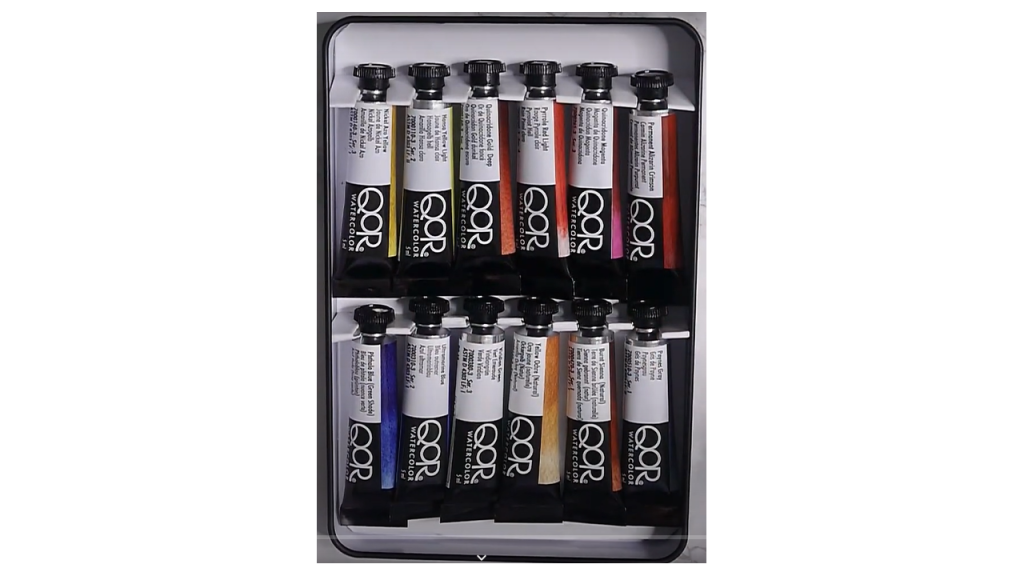
This set contained 12 tubes each filled with 5 ml of artist quality watercolour paint. The set listed plenty info on the packaging. The information on the tubes was also helpful, each tube listed the pigments used and also provides the transparency and lightfast rating – a must if you’re a professional artist or a huge pigment nerd like myself.

The lid of the tin was also interesting. Most palettes have a fairly flat lid with big rectangle paint wells. The QoR tin had lots of little bubbles. They are round wells in different sizes, great if you want lots of smaller washes of paint. I did have to break out a different mixing area for large paint washes. 

QoR Watercolours Review

Testing the Colours - Watercolour Pigment Quality or Dust?

I began by swatching the colours to observe their vibrancy and transparency. The pigments were indeed intense, and the application was smooth. The unique binder used in QoR Watercolours seemed to enhance the flow and saturation of the paint.

Upon first impressions of the colours right out of the tube – I was impressed. 

If you would like a closer look at these colours and spend a little more time with the colour chart – sign up to my Patreon page where you can see high resolution scans of colour charts, first dibs on handmade paints, get exclusive news & articles, more in depth content and also some goodies!


Painting Demo - Playtime!

No stone gets unturned here!

As part of my Artists Paint comparison I put the paints under rigorous testing.

I painted an illustration to really put these colours through their paces. 

I used a ranger of techniques such as wet into wet, glazing, wet on dry,& dry brushing to name a few.

I feel it’s important to try the paints and see how they handle. A pretty colour chart is one thing but how to they behave when used for a painting?

QoR Watercolour Paint tubes. High Quality Watercolour Paint made with Artists Pigments. QoR Watercolor Review

Conclusion - Should these be added to your shopping list?

After thoroughly testing QoR Watercolours, I found that they offer exceptional pigment quality and a unique painting experience. For artists seeking vibrant and versatile watercolours, QoR is certainly worth considering.

Overall I enjoyed using these paints and felt they delivered on quality and are a great addition to any artists toolkit, however, being in the UK these make for a pricey purchase – if budget is on your mind these paints may not be the one for you.

If you’d prefer something more visual you can watch my video review on your right.

QoR Watercolours Review

Hungry for more? 

If you’d like to see more of my artwork please consider checking out my Portfolio.

If you have any questions on this piece or anything else feel free to get in touch.

Need some art? – Head to my shop to nab yourself an arty bargain.

QoR Watercolours Review: Are They the Best Professional Watercolours?? Read More »

Uncategorized

QoR Watercolours Review: Are They the Best Professional Watercolours??

Floral watercolour art

How to Commission an Artist: Tips for Custom Art & Value for Money

Commissioning an artist can be an exciting way to bring a unique piece of art into your life. Whether you’re looking for a custom portrait, a bespoke illustration, or a personalised gift, the process allows you to collaborate with an artist to create something truly special. Here’s a guide to help you navigate the process, with tips for commissioning custom art and getting the best value for your money.

Watercolor Techniques Every Artist Should Know (Beginner to Advanced) How to master watercolour painting How to commission an artist

Why Commission Custom Art?

Commissioning art allows you to collaborate with an artist to create something truly personal and meaningful. As an artist specialising in watercolour and gouache, I love bringing my clients’ ideas to life—whether it’s a cherished memory, a favourite pet, or a themed piece that speaks to your passions.

When you commission a piece, you’re not just buying art; you’re investing in a one-of-a-kind creation that tells your story.

How to Commission an Artist

Here, I thought I would share with you what I think is a good place to start. 

  1. Explore the Artist’s Style
    Start by browsing my portfolio to get a sense of my artistic style. Each artist has a unique approach, so ensuring their work aligns with your vision is key. For me, my expertise lies in creating detailed and expressive watercolour and gouache paintings, which might be just what you’re looking for.

  2. Reach Out with Your Ideas
    Once you’re ready, head to my Commission Page to “Drop Me a Line”. Here, you can share your initial ideas, inspiration, and any specific details you’d like to include. The more information you provide, the better I can understand your vision.

  3. Discuss the Details
    After receiving your enquiry, I’ll follow up to discuss size, medium, timeline, and budget. If you’re unsure about any aspect, don’t worry—I’ll guide you through the options and help refine your concept.

  4. Confirm the Project
    Once we’ve agreed on the details, I’ll outline the next steps, including payment terms and a project timeline. A deposit is typically required to secure your commission. I also like to provide a contract to sign. This ensures everything is presented in a simplified and easy to read format.

  5. Enjoy the Process
    As I work on your piece, I’ll keep you updated with progress photos and check in for feedback if needed. Watching your vision come to life is one of the most exciting parts of commissioning art!

  6. Receive Your Artwork
    Once the piece is complete, I can either send it to you digitally or if you like, it will be carefully packaged and delivered to your door.


Unique wedding gift ideas: custom artwork

Tips for Collaborating with Artists for Personalised Art

Here are some of my personal tips to help you with your commission. These are things I, as an artist, feel are good practice.


  • Be Clear About Your Vision: Feel free to include any reference photos, colour preferences, or themes you’d like incorporated. Be careful though, there is a fine line between a good amount of inspiration and information overload.

  • Trust the Artist’s Expertise: While it’s great to have ideas, remember that you’ve chosen an artist for their unique style and skill. Allow space for creative interpretation. 

  • Plan Ahead: Commissions take time, especially for intricate pieces. If you have a specific deadline, let me know early so I can accommodate it. 

  • Ask Questions: If you’re unsure about anything, don’t hesitate to ask. Clear communication is key to a successful collaboration.

Let's Create Something Special

I love working closely with clients to transform their ideas into beautiful artworks that they’ll treasure for years to come. If you’ve been considering commissioning custom art, I’d be delighted to hear from you. Visit my Commission Page to get started today, and let’s create something truly special together.

Hopefully I have provided a helpful guide on commissioning watercolour and gouache art pieces. I created this guide as a way to aid some of what I need from you, the art lover to bring your vision to life

Should you have any further questions, please feel free to head to me contact page.

Commissioning an artist is not just about the final piece—it’s about the journey and the joy of collaborating to bring your vision to life. I look forward to working with you!

Stay Connected

Follow me on social media for updates, behind-the-scenes looks, and inspiration:

📷 Instagram

📹 Tiktok

🎥 Youtube

Contact Details
Have questions or need assistance? Reach out anytime:

  • Email: penholderart@hotmail.com

FAQ
Find answers to common questions about custom commissions, shipping, and more on my FAQ page.

Subscribe
Sign up for my newsletter to receive exclusive updates, offers, and art tips: Subscribe here.

How To Commission An Artist Read More »

Uncategorized

How To Commission An Artist

5 Watercolour Techniques Every Artist Should Know 🎨(Beginner to Advanced)

Discover 5 essential watercolour techniques every artist should know. Perfect for beginners and pros looking to refine their watercolour painting skills.

1. Dry Brushing Watercolor Technique

Let’s take a look at the first watercolour technique – dry brushing.

Dry brushing is a fantastic watercolour technique for adding texture and detail to your artwork. It’s particularly effective for creating animal fur, human hair, or the delicate veins of botanical subjects.

Using a thicker paint mix, load up your watercolour brush. Dab off the excess water onto a kitchen towel or a sponge – the key to this as the name suggests is to not have your brush too wet.

Next hold your brush at a 90 degree angle and gently stroke the paper with the bristle tips. This might take some practice but eventually you will get there!

Dry Brushing watercolour technique, essential watercolor painting tips to improve your work and add textures to your paintings.

Tip!

To get the best results try mixing it up.

Try different brushes. I find old beat up brushes work the best as their bristles are more splayed out allowing you to achieve the effect easier.

watercolour techniques every artist should know - watercolour layering techniques

Tip!

In order to get the best out of this technique try the following:

✨ Wait for your first layer to dry completely. Applying paint on top too soon and result is a mess – patience is key!

🖌️ Paint consistency is important. To achieve the best layers keep your paint more diluted. If you paint too thickly when you go to glaze the first paint layer will lift.

In no time at all will you master these watercolour techniques every artist should know.

2. How to use Watercolour layering techniques

This truly is one of the best watercolor painting tips. Layering, sometimes called glazing, is an essential technique that every watercolour artist must know. It features in nearly every watercolor illustration I can think of, including my own.

You’re also in luck as it is one of the easier ones on this list. It’s fairly self-explanatory, allow your first paint layer to dry then apply another layer of paint over the top.

While it might sound simple it can open up many uses. Take a look at the left hand side of the image. You can see that I have created an orange mix by layering a red paint over a dried yellow wash. This has created a different kind of orange than if I were to mix yellow and red together.

The sample on the right hand side shows Cerulean Blue, not a very strong colour. I have applied the same colour multiple times and it has allowed me to achieve a much stronger tint. 

Experiment – try different colour combinations and see what you get!

3. Wet-into-wet technique

The true bread & butter of every watercolour artist! Wet into wet is the essential technique – this is how to master watercolour painting!

I’m going to discuss two different ways of using this. 

The first on the left hand side of the image – transitions & gradated washes. 

First get your mixes ready – it is crucial to do this first so that you’re ready to go. Next wet the are where will be putting the paint. Make sure the area is nice and satiated but not flooded. Allow the puddle to dry a little, this is where you will have to experiment to find the right timing. Once the area is wet but not too water apply your paint. Start slowly at the edge of the area pushing the paint where you’d like it to go. The wet paper will help your paint spread like fireworks. Add additional colours where you need them.

Control is the challenge, too wet and it will spread to much and you’ll get e big muddy mess, too dry and your paint wont spread and blend. You should be able to see your colours separately as well as areas where they mix and blend together. 

watercolour techniques every artist should know - wet into wet

The right hand side now. 

Paint either clear water or a paint wash where you want to paint. Allow this to dry more than before. You want it so that the paper looks shiny but not wet. This is important!

Once you reach this stage you can add your paint on top. 

This technique is for when you want to keep some details and definition but you also want them to blend a little.

Tip!

💧 Water control is everything!

You don’t want it too wet nor do you want it too dry. There will be a lot of factors influencing this including but not limited to: weather, paper thickness, paper texture, paper type and paint consistency.

Don’t be afraid to experiment.

Using Salt to create watercolor effects to enhance your watercolour paintings.

Tips!

This one requires some experimenting.

✨ Paper – I find this works best on cold pressed watercolour paper. It will work on hot pressed but it wont look as good.

🖌️ Not every colour is equal. Some colours will not react with the salt, it’s the nature of the beast. Try experimenting with colours to see which ones work best.

🧂 Try different kinds of salt. Here I have used regular table salt, try rock salt and see what happens.

4. Using Salt to create watercolour effects

Salt! This is an unusual but fun technique to play around with. This is without a doubt one of the watercolour techniques every artist should know.

By using salt with watercolors you can achieve unique textures within your work.

First you must lay down a watercolour wash with your paint. 

Now wait! You need to allow the paint to dry a little first. If you add the salt when the paint is too wet the salt will just dissolve and it will do nothing. 

Once the paint is shiny but not soaking you can go ahead and sprinkle a little salt onto the page.

Allow your painting to completely dry. I find this takes at least an hour. Once dry you can rub the salt off of the paper and reveal this really cool effect.

5. Masking!

Have you tried using white watercolour paint before? Did you find that it didn’t work as you expected?

Using white watercolour paint is a bit of a no-no in watercolour painting. Watercolor painting is essentially staining the paper with coloured water. Transparency is what watercolours are about. Adding white to the mix makes them opaque and milky. Not what you really want.

This is one of the essential watercolour techniques every artist should know.

So how to I use white with watercolours? You don’t – instead of paint the white in your illustration is the white of the paper. 

You preserve the white of your paper by painting around the parts you want to keep white. This is fine for large areas but for those dainty highlights it can be tricky.

Introducing masking fluid. Masking fluid is a liquid that when dry repels water and with that our watercolour paint.

If you want to keep an area white apply masking fluid to the area. Allow it to dry and you can then go about your painting without worrying about losing those highlights. Once your painting is dry simply rub the maksing fluid away.

How to use masking fluid with watercolours

Tips!

⚠️ This one is tricky.

🖌️ First off – don’t use your finest watercolour brush for applying masking fluid. You will ruin it! Use an old brush or use a brush made for applying masking fluid.

✨ Get creative – you don’t have to use a brush. You can also use a silicone clay sculpting tool and for those fine lines you can use a tooth pick, just be careful not to push to hard as you will damage the paper.

🧴 Not all masking fluid brands are equal. I like Schmincke’s masking fluid. Some brands smell really bad and are very thick and gloopy, avoid these!

💧 Add water – this is an odd one. Use a small dish such as an egg cup to pour a little masking fluid into. Add a tiny amount of water – and I mean tiny, you don’t need much. This will thin your masking fluid making it easier to spread and handle better too.

📃 Paper – This is super important! Not all paper will accept masking fluid. Some papers will rip and tear if you apply masking fluid or if you use it too thickly. Avoid thin papers under 300gsm. Test, test, test! Try out different papers to see which ones work with masking fluid. Don’t use it on your big painting unless you know the paper can handle it.

Additional Tips & Tricks

While these may be some of the best watercolor painting tips they aren’t the only ones.

I recommend experimenting. We all paint different subjects and in varying styles. One technique might suit one person but be unhelpful for someone else.

Try some more. You wont always get it on the first go, keep going until you find success. 

Patience, you might be doing something that isn’t working. It’s important to keep patient and evaluate. Change it up – it could be the paper, the brush or the way you’re doing. Sometimes only a small tweak is needed to get it correct.

Most importantly – have fun! Painting is about creating and have fun with your paints. 

Need more? I have also created a video that shows you how to do these techniques. Check out your right hand side.

Still need more? You can find scans of these over on my Patreon page.

You can also find my works over in my Portfolio.

5 Watercolour Techniques Every Artist Should Know (Beginner to Advanced) Read More »

Uncategorized

5 Watercolour Techniques Every Artist Should Know (Beginner to Advanced)

How to make handmade watercolor paints

How to make handmade watercolor paints - Intro

How To Make Handmade Watercolor Paints

How to make handmade watercolor paints? How paint is made? How do you make your Manganese Blue? This is the question I am often asked. I make handmade professional artist grade paint for artist and have done so for many years now. I’m going to break down to you some simple steps of how. Soon you’ll be able to make your very own paints like manganese blue and many more.

⚠️Safety⚠️


Before we go any further I must warn you about safety. Some of things used in the paint making process can be dangerous, toxic and hazardous to one’s health and even life. 

I recommend following the below points:

  • Wear a dust mask when handling pigment powders
  • Remove all distractions including pets & small children
  • Work in a well ventilated room.
  • Minimise distractions.
  • Wear safety gloves and apron if needed.
  • Wear safety goggles.
  • Keep food and drink at a safe distance from the pigment.
  • Only work if you’re healthy & hydrated.
  • MOST IMPORTANTLY DO NOT consume paint or pigments.

These are just some of my recommendations. Please ensure you do your own research as you are responsible for your own safety.

How to make handmade watercolor paint - Pigment

It all starts with pigments. This is the colour in which the paint becomes. Some paint has one pigment, some have multiple. It all depends on the colour I am planning to craft.

There are multiple pigment manufacturers. The most well know of these that I use is Kremer. However they are not the only manufacturer nor are the available to everyone. 

I recommend doing some research into the colours that you want to make. For beginners I recommend starting with some affordable and safe pigments such as earth tones. I.E Yellow Ochre, Raw Sienna, Brunt Sienna, Green Earth. This is because most of these are non or low toxic and they are fairly cheap. So if you get it wrong the first few times you won’t feel bad about wasting pigment. They also tend to be easier to mull and are pretty uniform across different pigment manufacturers. I recommend avoid mangeses, cadmiums, cobalts and other toxic pigments. Yes these are pretty but they can be deadly if handled incorrectly.

How to make handmade watercolor paint - Tools

You will need some basic tools to make paint. You can get these from a pigment manufacturer as well.

  • A paint muller (pictured right). This is what we use to grind the pigment into paint.
  • Palette knife. This is handy for manipulating and moving the paint.
  • A glass board. We need something to mull our paint on.
  • Safety materials (see above).
  • Jars to store paints.
  • Pans or tubes to pour our finished paint into.
  • Paint binder. This is what we mix with the pigment to make paint.
  • Measuring spoons
Paint muller from Thomas Petit Glass
Paint Muller from Thomas Petit Glass. Click to buy.

The Method.

Work slowly and carefully. Wear all essential safety equipment.

I recommend starting with small amounts. Add equal parts of pigment and paint binder to your glass board. Start with 1/2 teaspoon. You can increase the amounts as you go if this is not enough paint.

Use a palette knife to mix you pigment into the binder. Take your time to ensure all the loose pigment powder is mixed in. If it’s not all mixed you you’ll create a dust cloud when we move to mulling, this can be dangerous!

Once all of the powder has been mixed in we can switch to mulling. Place your muller on top of the paint puddle and grasp the handle firmly. With steady and even pressure move the muller around the slab mixing the paint. The pressure and weight of the muller will grind the pigment into the paint binder. You can move in any direction that you like. I like to mix it up with circles and zigzags.

This step can take some time depending on the coarseness of the pigment. For a small amount of earth pigment you should see results within 30 mins. Keep going until the paint feels smooth and silky, a little like melted chocolate.

Testing – Once you feel it’s ready we need to test using a method called the Bolt test (names after maker Eve Bolt). Take a brush and some water. Dilute some paint as if you’re painting and swatch it on some watercolour paper. Once try lightly rub your finger over the area. If no colour comes off you’re good to go. If a lot of colours comes off you’ll need to add some more binder and/or mull it for longer.

Now that our paint is ready we can pour it into pans to dry or store it in tubes. Pour the paint carefully into your chosen receptacle. Less mess the better. Make sure you label the paint so that you don’t forget what it is or what is in it.

For pans leave them in a place where they can dry without getting dusty. Drying usually take a minimum of a week but can take longer in some climates.

And there you go, you’ve made paint! 


Trouble Shooting

You might run into some issues. Here are some of the common ones and how to fix them.

  • My paint wont set 

If your paint isn’t setting after a couple of weeks it’s likely you’ve added to much paint binder to the mix. Pour it back onto the slap and add some more pigment and mull it again.

  • My paint wont rewet and has cracks

You haven’t added enough paint binder to you mixture. Use a pestle and mortar to break down the paint and return it to the slab. Add more binder and repeat the mulling process.

  • My paint has gone mouldy

If you’re paint goes mouldy while drying it’s most likely that there is too much moisture in the air. Use a dehumidifier or a dehydrator to speed up the process. You can also add a couple of drops of clove oil to your mix to prevent mould.

Conclusion

Congratulations! You have made paint. How did it feel?

Making paint can be quite a labour intensive task even before we get to packaging and marketing. You’ve now tiptoed into the paint making world.

Any questions please feel free to ask below and I will try my best to answer. I’ve left a video below of me making paint for visual reference.

How To Make Handmade Watercolor Paints Read More »

Uncategorized

How To Make Handmade Watercolor Paints

0
    0
    Your Cart
    Your cart is emptyReturn to Shop